Retirement is often seen as a time to relax and enjoy the fruits of years of hard work, but it also brings its own set of challenges.
Health issues, financial concerns, and the transition to a new routine can sometimes lead to stress and depression.
Adjusting to this new phase of life requires deliberate effort to maintain both physical and mental well-being.
As we embark on our journey into the golden years, it is essential to equip ourselves with strategies to manage stress and maintain a positive outlook on life. Below are some practical and effective ways to do so:
1. Prioritize Self-Care
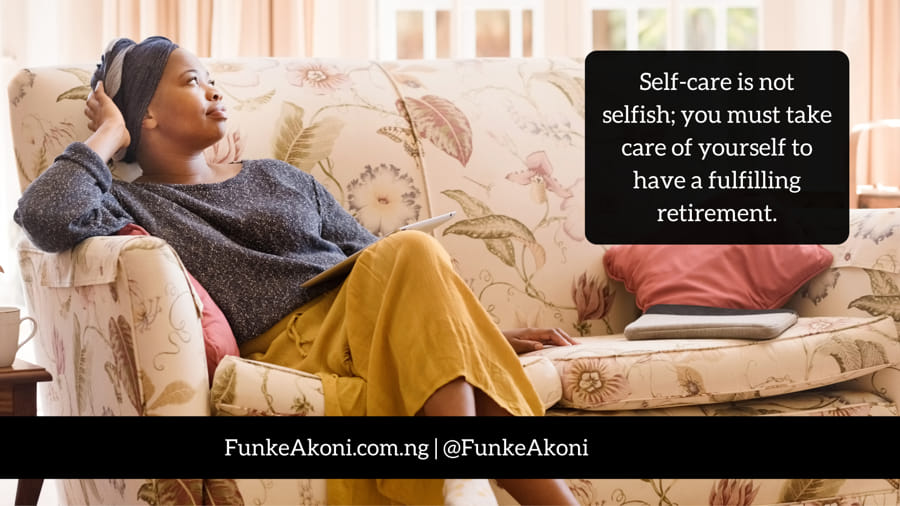
Self-care is the foundation of happiness and good health, especially in retirement. Taking time to nurture yourself can help improve your overall well-being and reduce stress.
- Engage in activities that bring you joy, whether it’s gardening, painting, reading, or simply spending time outdoors.
- Pay attention to your body’s needs by getting enough rest, eating nutritious meals, and staying hydrated.
- Treat yourself to moments of relaxation, such as enjoying a warm bath, listening to calming music, or meditating.
2. Incorporate Gentle Exercises
Regular physical activity is a powerful tool for combating stress and depression. It boosts mood, improves physical health, and even reduces the risk of cognitive decline.
- Soft exercises such as walking are excellent for improving balance and flexibility while being gentle on the joints.
- Make it fun by joining group exercise classes or walking with friends to combine fitness with social interaction.
- Remember, consistency is more important than intensity—start small and build a routine that feels comfortable and enjoyable.
3. Practice Relaxation Techniques
Calming your mind is just as important as caring for your body. Relaxation techniques can help reduce anxiety, improve focus, and promote a sense of inner peace.
- Visualization: Picture a serene and happy place, like a peaceful beach or a cozy mountain cabin, and allow yourself to mentally escape to this setting.
- Deep Breathing: Practice slow, intentional breathing to signal to your body that it’s time to relax.
- Progressive Muscle Relaxation: Gradually tense and release different muscle groups in your body to relieve physical tension.
4. Stay Organized with a To-Do List
Retirement often comes with more free time, but lack of structure can sometimes feel overwhelming. Creating a daily or weekly to-do list can help you stay organized and productive.
- Prioritize tasks to avoid feeling scattered or overburdened.
- Include enjoyable activities, such as hobbies, social events, or relaxation time, alongside essential errands.
- Celebrate small accomplishments to build a sense of achievement and fulfillment.
5. Break Unhealthy Habits
We all have habits that may not serve our well-being, such as excessive screen time, overeating, or neglecting exercise.
- Start by identifying one or two habits you’d like to improve. Set small, achievable goals to replace them with healthier alternatives.
- For example, replace sugary snacks with fresh fruits or swap idle TV time with a short walk or stretching session.
- Over time, these small changes can add up to a significant improvement in your mental and physical health.
Embrace Your Golden Years with Confidence
Managing stress and depression in retirement doesn’t mean avoiding challenges altogether—it means developing tools to navigate them with grace and resilience.
By prioritizing self-care, staying active, practicing relaxation techniques, staying organized, and breaking unhealthy habits, you can create a fulfilling and stress-free retirement.
Remember, this stage of life is an opportunity to rediscover yourself, explore new passions, and enjoy meaningful connections with loved ones. Start small, be consistent, and celebrate yourself for the steps you’re taking to ensure a happier and healthier future.